WHAT AM I GOING TO SEE AND DO?
So what are you planning on doing at our many exciting ports-of-call? Even if you are joining us for our small group excursions, you will likely have some additional free time to explore these fascinating locations.
If you are trying to decide what to do, this page is for you! You will find information about exciting and fun things to see and do at each port-of-call. History, culture, art, food ... whatever you are interested in, you will find details of attractions, activities and sights that will satisfy your interests and provide lifelong memories.
Check out the options below and get ready to enjoy the adventures that await!
TOKYO - NAGOYA - OSAKA - OKINAWA - ISHIGAKI - HONG KONG - SINGAPORE
TOKYO
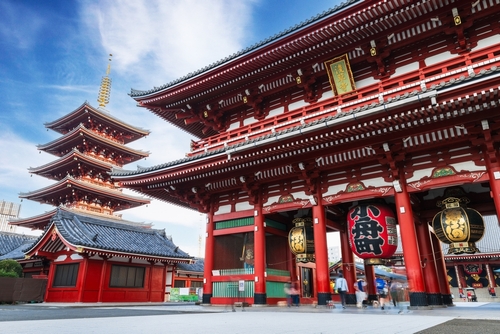
Founded in the 12th century, Tokyo is now one of the world's premier cities. It simply has it all. It is a bustling city with a cacophony of neon-lit streets surrounded by skyscraper marvels reaching to the heavens. Yet, there are peaceful, manicured gardens where one can relax and bask in the serenity. There are sacred temples and shrines with origins dating back over 1000 years. And the exotic and adventurous food tantalizes the taste buds. What an amazing place to begin our Asian adventure!
The city is divided into numerous districts and neighborhoods, each with its own features and attractions. Below are some highlights of many of these neighborhoods. I have also listed sights and attractions in the Yokohama area, which is the neighboring city from which we will embark on our ship. Most of the other attractions listed can be reached by taxi (about 35 minutes) or public transportation (approximately 45 minutes to an hour) from Yokohama.
If you plan on visiting sites and attractions in multiple districts, it would be wise to consider purchasing a multi-day transportation pass. The most popular options are the Tokyo Subway Ticket and the Greater Tokyo Pass. Both options will save you money as opposed to purchasing individual tickets for each journey.
Let your adventurous spirit take the lead as you explore the exotic city of Tokyo!
Imperial Palace District
Imperial Palace and Gardens. The stately Imperial Palace is located on the site of the Edo Castle, which was originally constructed in 1590. The castle had an astounding 99 gates, 21 watchtowers (3 of which are still standing) and 28 armories. At the time of its construction, it was the largest castle in the world. Unfortunately, over the centuries, the castle was gradually destroyed and little of the original remains. The current palace mostly dates to the late 1960s, but is still an impressive sight.
The palace itself is largely closed to visitors, with a few areas open only via tours. While it is sometimes possible to secure a spot on a tour in person on the day of your planned visit, it is wiser to apply in advance online. However, you can only reserve your tour at the beginning of the month prior to the month you plan to visit. You can do so HERE.
The East Gardens are a highlight and are accessible without the necessity of a tour or fee. This beautiful park is considerably larger and more relaxing than a traditional Japanese garden. Entrance to the park is through one of the original gates of Edo Castle, where you can purchase a map of the gardens.
There are several museums and places of interest on the park grounds, including the Museum of the Imperial Collection (features exhibits of imperial household treasures), the Fujumi Tamon (one of the two remaining armories), the Fujimi Yagura (one of the original watchtowers) and more.
In addition to strolling the gardens and basking in the serenity of the manicured gardens, don't miss the photogenic Two-Tiered Bridge, which arches across the former moat into the castle compound, which is not accessible to the public.
It is also worth visiting the Yosukuni Jinja, which is a shrine dedicated to the over 2 1/2 million Japanese, Taiwanese and Koreans who have died in war or military service since the late 1800s. The shrine is a collection of buildings constructed in the simple Shinto style.
Ueno
One of the traditional districts of Tokyo, the area was once the site of dozens of temples, some of which have been restored following heavy bombing during World War II. The area features a thriving open-air market, shrines and two outstanding art museums.
Ame-ya Yoko-cho Market. A sensory overload is in store at this thriving, bustling market, where you can buy just about anything. Jewelry, clothing, electronics, food and loads of counterfeit designer luggage, cosmetics and clothing. The food will leave you salivating ... or squeamish! It is worth sampling the manguro-don, raw slices of tuna over rice. This inexpensive delicacy can be found in just about every small restaurant lining the market.
Open: 10am - 8pm
Tosho-gu Shrine. This is one of the most magnificent and oldest shrines in Tokyo. Constructed in 1627 to honor Ieyasu, the first Tokugawa shogun, it somehow survived earthquakes, fires, revolts and bombardment. It is designated an official National Treasure of Japan.
Two hundred stone lanterns guide visitors from the stone entry arch to the shrine. In the Hall of Worship, four 15th century paintings in gold greet visitors. The outstanding Chinese Gate features intricate carvings of birds, animals, fish, shells and dragons.
Admission to the shrine is approximately $10.
Open: 9am - 4pm
Tokyo National Museum. If you are an admirer of fine art, don't miss this museum, which boasts one of the world's finest collections of Asian art and archaeology. The museum has over 85,000 objects in its permanent collection, and always has thousands more on loan from shrines and private collections.
You will have to budget your time, as there are four buildings in the complex, each one of which could take a day to explore. I suggest visiting the website first and preparing your "must see" itinerary in advance. Admission is a very reasonable $7 or so.
Open: 9:30am - 5pm
National Museum of Western Art. The museum houses the collection of a wealthy businessman, who had collected over 850 paintings, sketches and prints. These include works by Monet, Renoir, Gaugin, van Gogh and many others. The museum has subsequently obtained art by Reubens, El Greco, Tintoretto, Jackson Pollock and other art legends. These are displayed in a very pleasant and enjoyable setting. Admission is less than $4.
Open: 9:30am - 4:30pm
Asakusa
The Asakusa district is a conglomeration of the old and new. Progress has brought a thriving and energetic entertainment area filled with shops, markets and clubs. However, just a few blocks off the beaten path, much of the old remains, including noteworthy shrines, neighborhoods with shops selling traditional crafts and mom-and-pop restaurants and cafés.
Asakusa Jinja. Part of the Senso-Ji Shrine Complex, Asakusa Jinja was constructed in 1649 and miraculously survived the bombings of World War II. The architecture is traditional Japanese and is quite stunning. Near the entrance to the shrine is the original gate to the temple grounds. There is no admission fee to the complex, but a few buildings may have a small entrance fee.
The complex and immediate area also feature other points of interest, including a garden and a wide assortment of interesting shops located on winding backstreets. The atmosphere is uniquely Tokyo.
Open: 24 hours
Tsukiji and Shiodome
Tsukiji Market. While Tokyo has many markets, none compares to thriving, bustling and odiferous Tsukiji market. While fresh fish and seafood dominate the market, a wide variety of stalls, shops and restaurants can be found here, with proprietors hawking their wares to the throngs of locals and visitors. There is even a lively fish auction, but you have to arrive at 5:30am to witness it. The market is the prime location to sample fresh sushi, especially in the tiny, hole-in-the-wall sushi bars.
Open: 5am - 1pm
Harumiya River Cruise. A great way to see Tokyo -- especially at night when you can witness the spectacular and blinding lights of the city -- is by a river cruise aboard a yakatabune, a roof-topped boat. Various cruise options are available, including ones that serve lunch and dinner. There are at least two companies offering these cruises, which vary in length from 2 - 4 hours. The cost varies depending upon the options you choose (including more upscale vittles), with fares starting at around $98 per person.
It is best to reserve your spot in advance at their website.
Hama Rikyu Tei-en Gardens. A tiny oasis surrounded by soaring skyscrapers, this garden offers a nice place to get away from the bustle of the market and walk-off all of that sushi you sampled. There is a reconstruction of the pavilion where U.S. President Ulysses Grant and his wife met with Emperor Meiji in 1879. There is a small $2 admission fee.
Open: 9am - 5pm
Akihabara
If you are into tech, anima or manga, this district is a must-see for you! The district has become a shopping mecca for fans, with dozens upon dozens of unique shops. Don't miss the Radio Kaikan, an 8-story shopping mall featuring vendors selling everything from spy cameras to manga comics.
It is worth straying a block or two from the main tourist street to visit the mini-cafés, where the servers often dress as maids and treat customers as masters and mistresses!
While the district is dominated by the high-tech and anima / manga industries, there are a few more traditional cultural sights to be found. The Russian Orthodox Holy Resurrection Cathedral was constructed in 1891 and adds a surprising charm to this hectic, modern neighborhood. There is a small admission fee of about $2.
Open: 1:00pm - 3:30pm
Shibuya
Once a neglected and overlooked district of Tokyo, the area began its slow renaissance when Tokyo hosted the 1964 Olympics. Now, the region is hopping and the site of superb (and expensive) shops, restaurants and amusements. It is the place to be seen for young professionals and wealthy socialites. If you want nightlife, this is the place.
In spite of all of the glitz, there are still some amazing traditional sites to visit.
Meiji Shrine. The shrine honors the spirits of Emperor Meiji and his bride. Originally constructed shortly after the Emperor's death in 1912, it was reconstructed in 1958 after having been destroyed during the bombing of World War II.
The shrine's mammoth entrance gates, which rise over 40 feet, are constructed of 1,700 year-old cypress trees. The gates make for an excellent photo opportunity. In addition to visiting the shrine, take time to stroll through the lovely gardens, which contains over 100,000 shrubs and trees.
Open: Sunrise to Sunset (approximately 6:20am - 4:50pm)
Greater Tokyo
The following sites do not necessarily fit into the district / neighborhood classifications listed above. Still, if you have the time, they are well worth visiting.
Sengaku-Ji Temple. This temple is famous as it is the site of an event that became legendary. Asano Takumi-no-Kami, a young provincial baron, attacked and seriously wounded a courtier. As punishment, he was forced to commit suicide and his family line was abolished. Dozens of his followers enacted revenge, killing Kira and bringing his severed head to Asano's tomb. All of these ronin were sentenced to suicide, which they considered an honor. The story has become a national epic.
The temple is a site of pilgrimage for admirer's of Asano and his loyal ronin. Visitors can view their tombstones as well as a collection of weapons and other artifacts from the event in the temple's small museum. You can view the actual receipt for Kira's severed head.
Admission to the temple and graveyard is free. The Museum entrance is less than $4.
Open: 7am - 5pm
Japanese Sword Museum. The art of Japanese sword making is on display in this small museum that honors this centuries-old craft. Japanese swords were admired not only for their effectiveness in battle, but for their beauty of their fabrication. Don't let the dull exterior of the building deter you, as the display of the intricately designed swords will give you tremendous appreciation for their craftsmen.
Admission is approximately $7.
Open: 9:30am - 5pm
Yokohama
Yokohama is Japan's second largest city, which is really no surprise as it borders Tokyo. Our Royal Caribbean cruise departs from the Yokohama terminal. As such, many in our group may be lodging there on our days prior to the cruise's departure. So, I thought it wise to list some of the sights and attractions of the city.
Most of the city's attractions center on the waterfront near the cruise terminal.
Basha-Michi. Translated to "Horse Carriage Street", this bricked street (as well as adjacent streets) have been restored to evoke the atmosphere of a bygone era, including faux gas lamps and telephone booths (remember those?). Along these streets are a collection of exquisite shops, patisseries and boutiques. It is a pleasant area to stroll, shop and grab a pastry.
Chinatown. This area was once boasted the largest concentration of Chinese natives in all Japan. The area remains a major tourist destination, with over 18 million visitors a year. Wow!
Why do all these people flock to Yokohama's Chinatown? Simple: the food and shops. Its narrow, often-congested streets are lined with over 350 shops and 160 restaurants selling all types of wares, including the tastiest Chinese cuisine to be found anywhere. The rich aromas of the spices and simmering food will entice you to sample and abandon any diet. It is a food lover's dream!
You can enter Chinatown through the massive and dazzling 50-foot North Gate, a great spot for a memorable photo.
Cup Noodles Museum. Yes, there is a museum dedicated to ramen. This is not surprise as ramen is often considered the national dish of Japan. The museum does surprise, though, as it is quite entertaining, as visitors can create their own original noodle dish, including crafting the noodles by hand. A tasty experience for about $4 per person.
Open: 10am - 6pm
NAGOYA
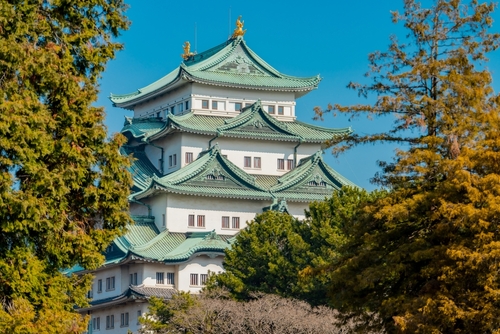
Nagoya was founded in 1612 when the Shogun Ieyasu Tokugawa allowed his 9th son to construct a castle, which subsequently attracted more settlers and tradesmen. The city truly blossomed when trade with the West opened in the late 1800s. While much of the city was destroyed during World War II, it has been rebuilt, and today combines a high-tech industrial center surrounded by traditional homes and neighborhoods.
While there are several other towns and attractions to visit outside of the city, these would require taking public transportation, which can be challenging. Thus, I will concentrate on the sights and attractions within Nagoya.
In addition to the attractions and sights listed below, Nagoya has a thriving shopping and food scene. Surrounding the main Nagoya Station -- both above and below ground -- are dozens and dozens of shops, ranging from large department stores to small, locally-owned boutiques. The many small restaurants and cafés offer a wide range of authentic Japanese cuisine, with sushi and seafood being the most popular. Nagoya Station is a 20 minute taxi ride from the cruise dock, or about an hour using public transportation.
Nagoya-Jo Castle. A true landmark of the city, the Nagoya-Jo castle was originally constructed in 1615. It was fully and faithfully reconstructed following World War II. It is considered the pinnacle of early modern Japanese castle architecture.
Inside the castle grounds you can explore the recently reconstructed Honmaru Palace, which is filled with gorgeous paintings, etchings and artwork. Make sure you take time to wander the lovely gardens, an oasis from the surrounding modern city.
Public transportation will be needed to reach the castle. It is a approximately 25 minutes from the cruise dock via taxi and about 50 minutes using public transportation.
Admission to the castle and gardens is a very modest $4.
Open: 9am - 4:30pm
Atsuta Jingu Shrine. One of the country's most important shrines, Atsuta Jingu is nestled among trees that are 1000 years old. A shrine has stood at this location for 1,700 years.
Inside the shrine, the Homotsukan (treasure house) contains artifacts from the shrine's and country's history, including a rich collection of kimonos, masks and swords.
There is no admission fee to the shrine, which is about a 20 minute taxi ride from the cruise dock or 50 minutes via public transportation.
Open: 24 hours
Legoland Japan. Let your inner child run wild as you experience childhood joy at Legoland Japan. This amusement park features all sorts of rides and attractions, including thrilling roller coasters. And, of course, you can admire amazing Lego art and even try your hand at constructing your own art using those amazing little blocks. A dizzying array of kits are available to purchase so you can construct them at home ... or on the ship!
Admission is approximately $32 for adults and $24 for children. If you wish to also visit the adjacent Sea Life Aquarium, there is an extra charge.
Note that it is best to take a 15 minute taxi ride from the port to Legoland. Public transportation is available, but makes innumerable stops, making that journey nearly two hours.
Open: 10am - 5pm
OSAKA
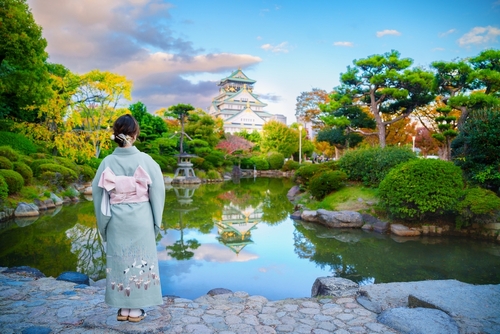
Osaka is known as "Japan's Kitchen", a moniker earned and deserved due to its wide variety of hearty food. Stop in just about any small restaurant, café or streetside booth and you will be treated to a sensory explosion of smells and tastes. A true foodies' paradise!
At the beginning of the 20th century, Osaka was Japan's largest city. Tokyo and Yokohama now rank ahead, but Osaka still houses over 2.8 million fiercely independent and friendly people. The bustling metropolis has every modern convenience, including a vast shopping district, hopping bars and clubs, and numerous museums. The old, however, can still be found, including Osaka Castle and Shitennoji Temple, Japan's oldest.
Most of the main attractions will require the use of public transportation or taxi to reach them. Fortunately, an Osaka Metro station is just a few minutes walk from the cruise dock and reaching most major sites does not require transfers.
NOTE: We have an exciting Osaka Hotspots and Hidden Gems excursion planned for Sunday, February 28th. On this 4-hour tour, we will visit the best of Osaka, as well as some hidden gems that visitors usually miss. Our guide will also teach us about the city's rich history and culture. We'll even enjoy a sample of some of the local cuisine along the way! Why not join us for this informative and exciting tour?
Osaka Castle. This beautiful early modern castle was originally constructed in 1580, but today's reconstruction dates to 1931. Today, it is Osaka's most visited tourist attraction.
Unlike many castles in Japan, the Osaka castle is a museum, housing a collection of memorabilia of the current castle's creator, Hideyoshi Toyotomi, who was the the chief imperial minister to unite Japan. Even if the artifacts don't interest you, take the elevator to the eighth floor for stunning views over the surrounding modern city. You can escape the hustle of the city by relaxing in the park surrounding the castle.
The castle can be reached via the Osaka Metro with no transfers in about 40 minutes. A taxi ride will take about 15 minutes.
Admission to the castle is approximately $8.
Open: 9am - 5pm
Osaka Aquarium. One of the largest aquariums in the world, the Osaka Aquarium (Kaiyukan) houses a vast array of sea creatures, including whale sharks, king penguins, sea otters, giant spider crabs, jellyfish and more. Browse through 15 different natural environments from around the world, including the frigid Antarctica and the steamy Ecuadoran forests. If you enjoy the sea and/or marine life, this is one of the best aquariums on the planet.
Surrounding the aquarium is Tempozan Harbor Village, an entertainment area with rides, shops and restaurants. Admission to the aquarium is about $18
The good news is that you can walk to the aquarium and village in just 5 minutes. No transportation necessary other than your feet!
Open: 10am - 8pm
Museum of Oriental Ceramics. The museum boasts the finest collection of Chinese, Korean and Japanese ceramics in the world. While only a fraction of the museum's 900 pieces are on display at any particular time, visitors will marvel at the intricacy and beauty of the collection.
The museum is located in Naka-no-shima Koen, which is Osaka's oldest park. The park is also worth a visit, as its lush gardens feature a rose garden with over 300 varieties, as well as the elegant "Rose Garden Bridge" which provides the perfect photo opportunity.
Entrance to the museum is just over $10.
The museum can be reached via the Osaka Metro in just over 30 minutes with only one transfer required. A taxi ride takes about 15 minutes.
Open: 9:30am - 5pm
Osaka Museum of History. Want to learn more about the history of Osaka? If so, there is no better place than the Osaka Museum of History. The museum features life-size displays and hands-on-activities along two path options: a Highlight Course and a Complete Course. Most displays and information plaques are in English.
The museum is located along the same Metro route as the Osaka Castle, and the two attractions are only a 15 minute walk apart. So, seeing both of these is an easy option. Admission is approximately $4.
Open: 9:30am - 5pm
Dotombori-dori (Dotombori Street). This is Osaka's premier entertainment, food and nightlife area. We have all seen the iconic photos of city streets in Japan that are filled with colorful (and perhaps tacky?) neon billboards and signs advertising the local shops and businesses. We've seen the shoulder-to-shoulder people wandering those streets sampling the food and browsing the shops. Well, this is that place in Osaka.
Osaka's reputation for being "Japan's Kitchen" is best deserved and experienced here. Dozens upon dozens of small shops sell a dizzying array of culinary delicacies, as well as cheap but tasty street food. Along the way, you will be entertained by countless street performers, including musicians, magicians and their ilk. Make sure to get away from the throngs to stroll along the riverfront and Hozenji Yokocho Alley, where you can splash water on the statues at the Hozenji Shrine (a local custom) and discover one of the many small and much quieter restaurants, each offering delicious fare. One dish to try is okonomiyaki, which is similar to a pancake and omelet. It is usually stuffed with cabbage, yams, pork, shrimp and other ingredients.
The area is a 30 minute Metro ride (1 transfer) from the cruise dock. It is a 30 minute walk to the Shitennoji Temple (see below), so visiting both is convenient.
Shitennoji Temple. This stunning temple is one of the premier historical sights in Osaka. It is also the oldest temple in Japan, originally dating to 593. Sadly, the temple has been damaged or destroyed many times throughout the centuries, and the current reconstruction dates to 1965. The stone gate at the main entrance is much older, dating to 1294.
There is a small admission fee ranging from $3 - $5 for entry to the the inner precinct, treasure house and gardens. The outer grounds are free.
The temple is a 40 minute Metro ride from the cruise port and just over 15 minutes by taxi. As mentioned above, it is a 30 minute walk to the lively Dotombori-dori area, so visiting both of these attractions is a wise choice.
Open: 8:30am - 4pm
Tenno-ji Park. This expansive park is a one-stop entertainment area that includes gardens, wide-open green spaces, museums, cafés and even a prehistoric burial mound. With the towering skyline of Osaka in the background, you can easily spend a full day here.
Art lovers will want to visit the Municipal Museum of Fine Arts, which features paintings, sculptures and crafts, primarily from Japan and China. The Keitaku-en Garden is a traditional Japanese garden filled with flowers, intricately carved shrubs, water features and ponds. The Chausuyama Kofun is a prehistoric burial mound and the site of a military camp during the 1614 siege of the city.
The park has no admission fee, but there is a small fee to visit the Museum of Fine Arts and Keitaku-en Garden. They entrance fee ranges from $4 - $5.
The park can be reached by the Metro with one transfer in just over 40 minutes. A taxi ride takes about 15 minutes.
Open: 9:30am - 5pm (Museum and Garden)
OKINAWA
For Americans, it is difficult to think of Okinawa without remembering the brutal battles that took place on this tiny island during World War II. Over 240,000 people lost their lives, including up to 150,000 Okinawans. The islanders have not forgotten, and the island is now dotted with war memorials and cemeteries remembering those who perished.
Even if you are not a history buff you will find much to fascinate you on this tiny island located 400 miles south of mainland Japan. There are stunning beaches, many with beautiful coral reefs just offshore, making snorkeling and diving popular activities. The Okinawan culture has more in common with its bygone Ryukyu Kingdom (1429 - 1879) than Japan and there are temples, shrines and castles dating to that earlier period.
Naha, Okinawa's capital and the area where we will be docking, has many of the attractions noted above, as well as wonderful markets and shopping. There is a vibrant food and music scene that you should not miss.
Note that nearly all of the attractions and sights listed below will require public or private transportation. Naha does not have a subway or train system, so bus or taxi will be the main options. You can find routes and schedules, as well as an online map, HERE. There is a monorail line that connects some of the major areas of the city.
NOTE: We have what promises to be a memorable and moving excursion on Okinawa, a private 4-hour World War II History and Sights tour. We will be aboard coaches with a private guide, visiting historic battlefields, underground headquarters, monuments and more. Along the way we will learn hidden stories and enjoy unforgettable views across Okinawa. This is the best way to visit the WWII sites and learn about the epic battles, as well as the history of the island. Join us!
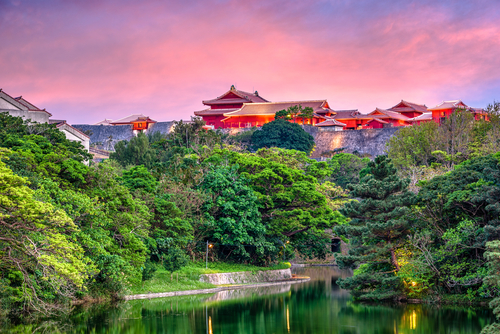
Shuri-jo Castle. Reminiscent of Beijing's Forbidden City, Shuri-jo Castle was the seat of the Ryukyu Kingdom. The original 15th century castle was reconstructed in 1992 and is a UNESCO World Heritage site.
The sprawling complex delights the eyes with its bright red walls and roof. There is also a small garden in the castle grounds where you can wander and relax.
While it is free to enter the outer areas of the castle complex, there is a small fee of about $3 to enter the inner areas. If you wish to enter the Main Hall, reservations are required. You can make your reservations HERE. Prices start at around $7 and vary depending upon the option you select.
Reaching the castle is fastest by taxi, which is a short 15 minute ride. The bus route requires a transfer and takes close to an hour.
Open: 8 - 6:30pm
Kokusai-dori (Kokusai Street). Want to shop for local crafts and souvenirs? Check. Want to experience some traditional Okinawan music? Check. Want to sample some of the delicious local food? Check. Enjoy street performers, bars and clubs? Check. This busy shopping street has it all.
Conveniently located just a ten minute walk from the Kosetsu Ichiba Market (see below), this area will immerse you into the local culture, for better or worse. There can be some eye-opening and stomach-churning wares offered for sale. If you are willing to step out of your comfort zone and sample some pickled pigs ears or imbibe high-proof snake liquor, you may find a new favorite food or beverage ... or require a visit to the ship's doctor!
You can reach the area by a short 8-minute taxi ride, but if the weather is decent, you may want to take the 30-minute stroll from the cruise dock.
Kosetsu Ichiba Market. This is the place you come to smell and taste the wide variety of foods offered on the island. Deep-fried doughnuts, leaf-wrapped mochi, sushi of every type imaginable, fresh-caught seafood, tropical fruit drinks and so much more. Inside the market, you will find boisterous fish mongers, bloody meat butchers and more. Be prepared for some unusual and perhaps stomach-upsetting sights, including pigs heads staring at your from countertops. Push through, as there is a limitless variety of foods for you to try. You can enjoy a full meal at one of the many restaurants located in the upstairs dining hall.
As mentioned above, the market is located just a ten minute walk from Kokusai-dori shopping area.
Open: 8am - 9pm (Dining Hall opens at 10am)
Chindami Sanshinten. The sanshin is a unique, 3-stringed instrument that is closely associated with Okinawan culture. Much of the island's original music features this simple instrument, which is traditionally made of snakeskin. Its sound is unmistakable. If you are a musician or interested in music, it is worth visiting this shop, where the owner often provides free lessons. If you opt to purchase one, you may want to consider one constructed of imitation snakeskin as the United States has strict restrictions against importing certain snake skins.
The shop is located just a few steps from the Kokusai-dori street described above.
Open: 11am - 7pm
Tsuboya Pottery District. Okinawa has a rich, 300-year tradition of ceramics. In this district, over 20 workshops still produce the island's distinctive pottery. You can find inexpensive gifts and souvenirs, or spend a full paycheck for a special piece or two.
While here, you can also visit the small Tsuboya Pottery Museum, which exhibits a range of earthenware products that trace the industry's history. The museum also contains a reproduction of a traditional Okinawan home, complete with ceramic tableware.
Open: 10am - 6pm
World War II Sites
For nearly three months in 1945 (April 1 - June 22), one of World War II's bloodiest battles was fought on the island of Okinawa. The battles were fierce and brutal with casualties totaling over 240,000. These battles, and the memories of those who lost their lives, are remembered with historical plaques and monuments scattered across the island. Most are further afield than Naha, so those interested should consider reserving a spot on our Okinawa WWII History Tour.
There is one sight that within Naha that is fairly easy to reach: the infamous Sugar Loaf Hill. This high ground was ably defended by Japanese troops, and repeated assaults by the U.S. Marines resulted in appalling casualties. The hill was finally captured on May 18, 1945. A lonely plaque commemorates the spot where so many young men on both sides of the conflict perished.
Sugar Loaf Hill can be reached via public transportation in a half hour, or by taxi in just over 15 minutes.
ISHIGAKI
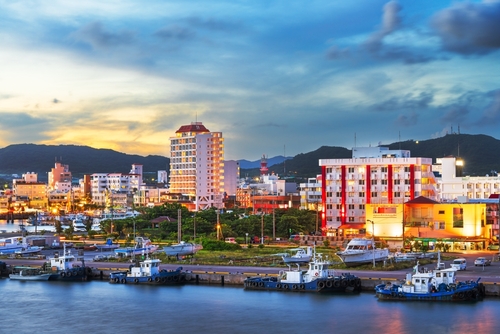
Upon arriving in Ishigaki you are approaching the furthest extremities of the Japanese empire. Located over 1,200 miles from Tokyo, this small island provides a sharp contrast to the hustle-and-bustle of Japan's megacity. On Ishigaki, it is all about nature, enjoying the outdoors and relaxing.
Swimming, sun-bathing, snorkeling, diving, canoeing and bicycling dominate the activities. The island's capital -- appropriately named Ishigaki -- is small and easily walkable. It is popular for visitors to rent motor scooters at the numerous rental shops and dart to the cities attractions, as well as those a bit further afield.
A few of the attractions and distant beaches are best reached by boat or ferry. You can save yourself the headaches of arranging these activities and the related transportation logistics by joining us on our Ishigaki Mangrove Canoe / Stand-Up Paddleboard and Island Exploration excursion.
Taketomi-jima (Taketomi Island). A short ten minute ferry ride from Ishigaki City takes you back in time to this quaint seaside village. The picturesque town features cottages with terracotta roofs, sleepy lanes and pristine beaches virtually devoid of tourists. Shops and restaurants are few-and-far-between, and those that do exists cater to the locals. Life here is laid-back and relaxed.
A dozen or more beaches ring the tiny island. Kondoi Beach is a 15-minute bicycle ride from the ferry terminal or a leisurely 30 minute walk. In addition to boasting the longest stretch of sand on the island, the beach features conveniences such as showers and changing facilities.
The ferry port that connects to the island is located adjacent to the cruise terminal, but requires a 40 minute walk. A taxi ride cuts that time to 7 minutes or so. Advance ticket purchases are usually only necessary during peak times, but sometimes cruise ship passengers overwhelm the ticket office. If you wish to purchase ferry tickets in advance, you can do so HERE.
Blue Cave. The luminous Blue Cave is considered by some to be a sacred spot of the local population. Its bright, sometimes glowing blue waters are shallow and clear, making it an ideal location for snorkeling and diving. Snorkeling equipment is available for rent at numerous shops.
Numerous tour companies offer excursions to the site, or you can travel by taxi in about 30 minutes. The journey by bus is an excruciating 1 3/4 hour affair.
Ishigaki Yaima Village. This small, open-air museum contains a smattering of traditional homes, some of which were moved to the site for preservation purposes. The village evokes the atmosphere of the bygone Ryukyu civilization that once thrived on the island. You can explore the homes and learn about this lost way of life. You can also spot the playful and sometimes pesky squirrel monkeys which inhabit the area.
The village is best reached by taxi, which will take just over 20 minutes. You can take public transportation, but the journey is about an hour.
Admission to the village is under $8. Tickets can be purchased in advance at their website or at the ticket office.
Open: 9am - 5:30pm
HONG KONG
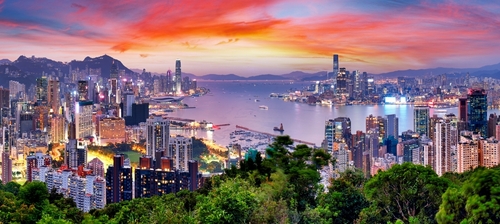
Hong Kong has been inextricably linked to mainland China for more than two millennia. While some customs and traditions differ, the Chinese influence is inescapable. After the Opium Wars of the late 19th century, the island was controlled by Britain under the terms of a treaty. After 99 years of British rule, the island was ceded back to China in 1998. The island maintains a degree of autonomy under a "one nation, two systems" arrangement.
Hong Kong exploded economically under British rule and continues to prosper and thrive today. It is the third-ranked financial center in the world (just behind New York and London) and boasts more skyscrapers than any other city. It is one of the world's largest exporters and importers and ranks highly in terms of numbers of billionaires. Hong Kong is, quite simply, an economic powerhouse.
While much of the city is dominated by the dense, vibrant and glitzy urban center, there are still some traditional sites to be seen. You cannot walk from the cruise terminal to the city center or any of the sites below. Three bus lines (20A, 22 and 22M) connect the cruise terminal to the city, where you can access the subway system to reach your destination.
Victoria Peak. There is no better way to view the city's impressive skyline and surrounding harbor than riding the Peak Tram up to the top of Victoria Peak, which rises 1800 feet above the city. The view is awe-inspiring and will leave you amazed.
To reach the top of the peak, you can catch the tram at Lower Terminus, which is located in the St. John's Building (33 Garden Road). This is about a 15 minute walk from the Central MTR station.
The tram experience is also enjoyable, as you get great views of the neighborhoods and buildings located on and around the peak. The ride is about 10 minutes and costs approximately $15 for a round trip. It is possible to descend Victoria Peak on foot in about an hour.
On and surrounding Victoria Peak are numerous attractions and restaurants. The attractive Lion's Pavilion offers excellent views of the city and harbor without the cost of ascending to the top of the Peak. There is also a fun but perhaps kitschy Madame Tussaud's Wax Museum that features wax sculptures of celebrities, politicians and famous people from around the world. The museum is open from 10:30am to 7:30pm and costs approximately $37. There are also numerous places to shop (a big deal in Hong Kong), including the unique, U-shaped Peak Tower, which has an observation deck on the top floor, and the Peak Galleria mall.
Victoria Peak Garden. If you are in need of a respite from the urban jungle of Hong Kong, this small hilltop Victorian is just the place. Once part of a private retreat for Hong Kong's governor, the manicured gardens are now open to the public. It is just a 5 minute stroll from the top of the Peak. The park is open 24 hours and there is no admission fee.
Wong Tai Sin Temple. This peaceful, attractive Taoist temple is an oasis from the urban sprawl of the city's downtown. The temple was founded in 1921 and is a sanctuary for those seeking guidance, healing and inspiration.
The architecture of the temple is stunning and depicts traditional Taoist temple construction. The grand gate leads to a richly adorned interior. The gardens provide a place for relaxation and spiritual contemplation.
You can even have your fortune told by partaking in the traditional Kau Cim ritual. Shake the bamboo cylinder until one of the 100 sticks falls-out. A temple fortune-teller will provide your fortune based on the number on the stick.
Admission to the temple's main complex is free, but there is a $14 admission to the inner hall.
Open: 7:30am - 4:30pm
Aberdeen Fishing Village. While only minutes away from the center of Hong Kong, Aberdeen Harbor is centuries away. Traditional fishing life continues in this small harbor, where many local residents still live aboard houseboats and sampans (traditional Chinese fishing boats). One of the thrills is taking a ride around the harbor on a sampan, which offers not only views of the harbor, but also gives you insight into this vanishing way of life.
The Harbor and Village is best reached by a 20-minute taxi ride from the cruise terminal.
The cost of a sampan ride ranges from $8 - $38, depending upon the options selected.
Stanley Market Seaside Shopping. In sharp contrast to the glitzy department stores and outlets of the city's center, Stanley Market offers a more relaxed and quasi-authentic shopping experience. Local craftsmen have shops intermingled with more tourist-oriented vendors hawking the usual visitor wares. Still, the market is unique and some tasty and relatively inexpensive local cuisine can be enjoyed, all within view of the sea.
It is about a 30-minute taxi ride to reach Stanley Market.
Open: 10:00am - 6:30pm
Kowloon Walled City Park. This lovely park is filled with lush greenery, beautiful flowers, peaceful ponds, elegant pavilions and serene places to relax and rejuvenate. The 7 acre refuge has a unique distinction in that it is located on the former site of Kowloon Walled City, which was a densely packed (there were 33,000 citizens here after WWII), virtually ungoverned neighborhood that was notorious for all sorts of organized crime, including gambling, prostitution and drugs. Amongst this criminal activity, ordinary citizens carried on their daily lives, albeit in a slum-like, jam-packed area. The Walled City was demolished in the early 1990s and replaced with today's garden oasis. The park features a historical exhibit and model of the former Walled City.
The park is best reached via a 14-minute taxi ride. Public transportation follows a convoluted route and take almost 1 1/2 hours.
Open: Park - 6:30am - 11pm; Exhibit Rooms - 10am - 6pm
NIGHTLIFE
NOTE: Our cruise ship departs Hong Kong at 11:59pm. If you opt to partake in the nightlife scene, please make sure you give yourself enough time to return to the boat before the scheduled departure. Taxis are at a premium on Friday nights, so make sure you make the proper time allowance.
Symphony of Lights on Victoria Harbor. Every night at the Victoria Harbor, Hong Kong presents the world's largest permanent light and audio show. The dazzling and enchanting show, which involves lasers, lights and synchronized music, involves over 40 buildings. And the best part? The show is absolutely free!
The best place to view the spectacle is from one of the many restaurants and buildings on the harbor, or on a junk (boat) in the harbor. Many buildings have public viewing platforms.
Note that it is possible to view some of the lights from atop the cruise terminal building, but you won't be able to hear the audio.
You can reach Victoria Harbor with a 20 minute taxi ride. Public transportation takes considerably longer at over an hour.
Time: 8pm
Lan Kwai Fong. This small region filled with bars (over 100!), cafés, restaurants and clubs is the epicenter of nightlife in Hong Kong. You'll find everything from laid-back beer pubs to upscale cocktail bars to pulsating dance clubs. There are also dozens of restaurants serving all types of food. It is a great place to sample the local Cantonese fare.
The Lan Kwai Fong area can be reached by taxi in just over a half hour. Public transportation will take about an hour.
Temple Street Night Market. This is an area where you can experience the dazzling charm of Hong Kong's night scene. Visit the street market at dusk, browse the myriad of shops, sample some local cuisine and enjoy people-watching. You can even have your fortune told! Then, grab dinner at one of the dozens of outdoor restaurants or food stalls. Before heading back to the cruise ship, stop into a bar or club for a beverage and perhaps a dance or two.
Temple Street Market can be reached from the cruise terminal via taxi in under 20 minutes. It is also a short 20 minute Metro ride from the Lan Kwai Fong district mentioned above.
FURTHER AFIELD
Tian Tan Buddha Statue. Known as the "Big Buddha", this massive, 98-foot tall statue of the seated Buddha dominates the skyline of the neighboring island of Lantau. The statue is located high atop a hill and surrounded by peaceful woodlands. It is a major pilgrimage site for adherents of Buddhism. Indeed, the Po Lin Buddhist Monastery is located at the base of the hill. The monastery is open from 10am - 6pm. Admission to the statue and main temple area is free, but there are small fees to enter the exhibition halls or view the interior of the Big Buddha. You can even grab a vegetarian meal at the monastery's restaurant, which is open from 11:30am - 4:00pm.
The Big Buddha isn't a stroll away. Indeed, the best way to reach the island is by taxi, which is approximately an hour ride. While you can take public transportation or even walk to the statue from the base of the hill, the best way to reach it is via the Ngong Ping 360 Cable Car, which provides dramatic views of the island's lush mountains as it soars over 2400 feet. The ride is a somewhat unsettling 3.5 miles, lasts about 25 minutes and costs approximately $38 for a round-trip adventure.
Open: 10:30am - 5:30pm
SINGAPORE
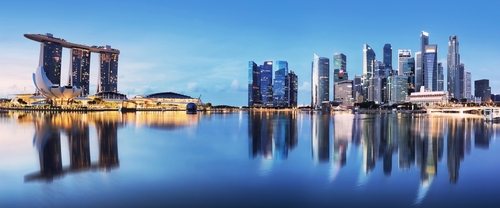
Singapore is an island country ... actually, over 60 islands and islets. Gaining its independence from Great Britain in 1959, it briefly became part of the Federation of Malaysia before striking out on its own in 1965. In spite of its relative infancy as a country, it has swiftly become an economic powerhouse and is on the cutting edge of modern finance and technology.
On the main island of Pulau Ujong, which is also called Singapore City and is where our Asian cruise will conclude, what visitors mostly experience is the glitzy, high-rise metropolis featuring ultra-modern and somewhat futuristic architecture. Indeed, many of the main attractions are tech-influenced, including the dreamlike Gardens by the Bay with its light-festooned steel trees.
Hidden amongst all the modernity are vestiges of the past, including several temples, gardens and a evocative Chinatown district. The sites and attractions listed below are a mixture of the old and new.
Most attractions can be reached via the city's Mass Rapid Transit system (MRT), which has a terminal at the cruise terminal and others near major hotels, neighborhoods and sites. Tickets are very reasonably priced and multi-day options are available. You can learn more about the MRT and obtain other useful information at the city's very helpful Travel Guide site.
Gardens by the Bay. Ranked the #3 attraction the entire world by Trip Advisor, Gardens by the Bay is certainly a unique experience. Yes, as to be expected, it is a fascinating garden filled with plants, shrubs and flowers from around the world. But it offers so much more to see and do in the 250 acre facility.
The standout attraction is the Supertree Grove, which features 12 steel-and-concrete trees bursting with over 100,000 plants. At night, the area comes alive with a thrilling light and music show.
The Cloud Forest contains the world's tallest indoor waterfall and a mountain covered with plants from around the globe. All of these are visible up-close from a gravity-defying aerial walkway. You can even go back in time over 65 million years to the era of dinosaurs via the Jurassic Park exhibition.
Rotating exhibits add to the enjoyment. The magical Disney Garden of Wonder features horticulture displays of famous Disney characters, an attraction sure to delight your inner child.
Open: Outdoor Gardens - 5am - 2am; Inside Exhibits - 9am - 9pm
Chinatown. This is one of Singapore's most vibrant and exciting neighborhoods. Wander the pedestrian-only streets and immerse yourself in the atmosphere. Over 1000 shops, restaurants, bars and clubs line the streets, each enticing visitors with tempting wares and/or cuisine. If you must have that ceramic teapot or engraved chopstick set, this is the place for you!
While strolling, make sure you look for the artistic murals that decorate the sides of many buildings and shops. You should also pay a visit to the Buddha Tooth Relic Temple, whose beautiful golden interior is stunning. The temple has its name due to the presence of what believers deem to be one of the Buddha's teeth. The temple is open from 7am to 5pm and is free to visit.
Something not to be missed in the Chinatown district is the intricately carved Sri Mariamman Hindu Temple. The temple is the oldest Hindu temple in Singapore and now a national monument. Its richly adorned exterior is an explosion of color, with hundreds of finely carved figures and sculptures adorning every nook and cranny. The interior is also beautifully decorated. The temple is open from 6am - Noon and 6pm - 9pm each day. Admission is free, but a small donation is requested if you take photos.
Fullerton Promenade. One of the most striking features of Singapore is its modern skyline. There are so many unique, gleaming buildings to catch your eye. There is no better place to view this skyline than to stroll along the waterfront Fullerton Promenade. Along walkway is lined with restaurants, cafés and bars, so you can stop to enjoy a drink and admire the impressive skyline.
The 1/4 mile promenade ends at Merlion Park, a downtown landmark. The Merlion is a mythical creature with a lion's head and fish's tail. A water-spewing statue of the creature is featured in the park and provides one of the most popular photo opportunities in the city. Admission to the park is free and it is open 24 hours.
Kampong Glam (Arab Quarter). Singapore, like much of Southeast Asia, has a large Muslim presence and influence. The Kampong Glam neighborhood is the main area in which to experience this fascinating culture. Dozens and dozens of shops and restaurants line the streets, each offering wares and cuisine associated with the Arabic culture. Stop in one of the cafés to try some Turkish fare, or enjoy a shot of Raki ... but not too many as it is potent! Many clubs also offer live music, especially in the evening.
The landmark of the neighborhood is the gleaming Sultan Mosque. The mosque was originally constructed in 1826 and reconstructed one hundred years later. It has been designated as a national monument and is well worth visiting. The main hall is open to visitors (free admission) from 10am - Noon and 2pm - 4pm.
National Museum of Singapore. Want to learn more about Singapore's fascinating history? If so, this is the place to visit. The museum is the nations' oldest and contains a wide assortment of immersive exhibits covering Singapore's nearly 800-year old history. There are frequently rotating special exhibitions, so before you visit check the museum's website for up-to-date information.
Admission to the museum is $15, but there is usually a charge for the special exhibitions.
Open: 10am - 7pm.
Maxwell Food Centre. Hungry? If not, you will be as soon as you set foot into the Maxwell Food Center. Boasting over 100 food stalls -- several of them Michelin rated -- the Centre offers a vast array of culinary delights from savory to street ... and exotic! Try the local Hainanese chicken or the oyster cakes. Your choices are virtually unlimited.
The Centre attracts hordes of famished patrons and has become a hot-spot for celebrities. Lady Gaga, Drew Barrymore, Dua Lipa and more have satisfied their food cravings here. Don't be bashful, as the place is so popular that you may have to share a table with other patrons.
*Open: *8am - 10pm
Sentosa Island. Sentosa Island is located just offshore from mainland Singapore and is an entertainment mecca. Here you will find a wide assortment of attractions to entice you and significantly lighten your wallet. Enjoy sea life? If so, visit the Singapore Oceanarium where you can immerse yourself in an underwater world filled with hundreds of ocean denizens varieties. Want thrills? Singapore has its own Universal Studios amusement park. And if you would prefer your thrills to involve getting wet, then Adventure Cove Waterpark is the place to visit. There is also a Madame Tussaud's Wax Museum and thrilling Skyline Luge ride.
If you want time to chill, soak-up some sun and frolic in the sea, Sentosa Island features several beaches, including the most popular, Siloso and Palawan. Beachside bars and restaurants provide great places to relax and enjoy the beach scene. Showers and changing facilities are available at these and most public beaches.
Getting to the island is part of the adventure, as you can take the Sentosa Express Monorail ($4) or soar above the sea on the Singapore Cable Car ($17).
While the island is accessible 24 hours a day, most of its major attractions are open from 10am - 8pm.